
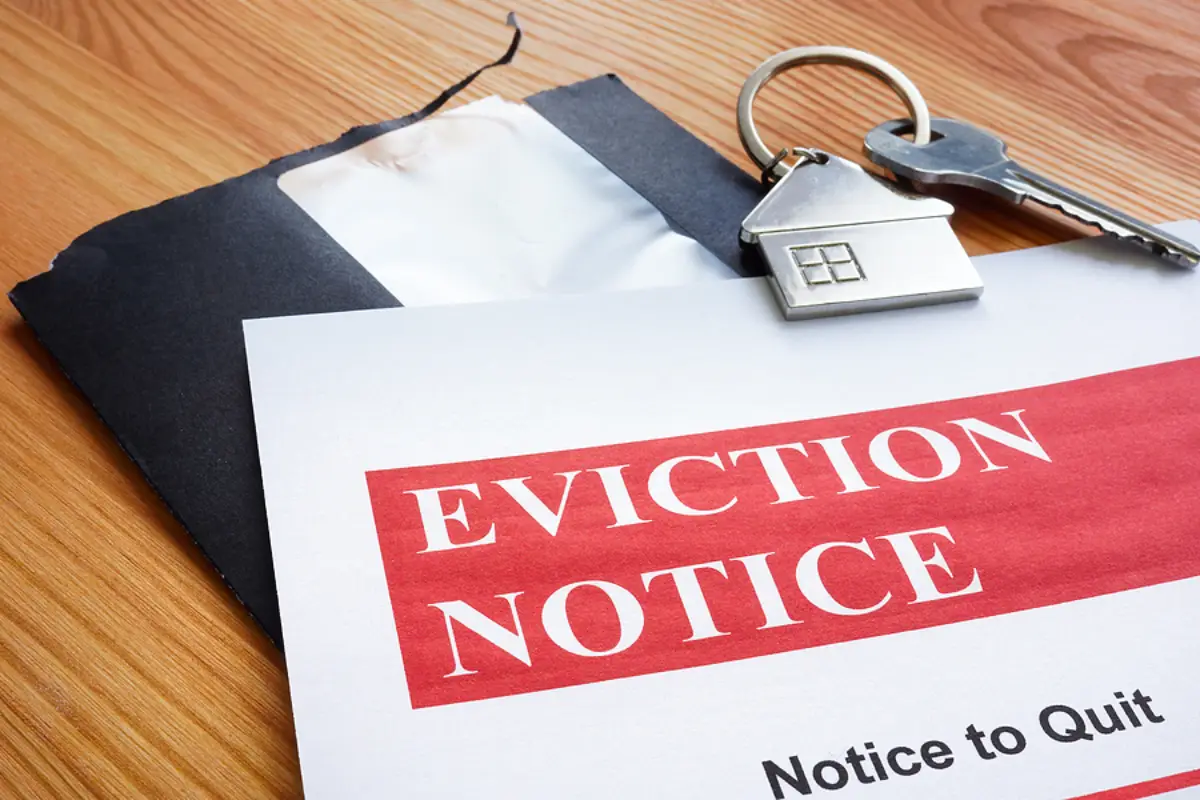
A tenant stops paying rent. Weeks go by. Frustration builds.
At some point, changing the locks while they are at work can start to feel like the fastest way to solve the problem. In Virginia, it is also illegal, and it can cost you far more than the unpaid rent ever did.
We talk to Richmond owners fairly often who are surprised to learn just how strict Virginia is on this point. Here is what counts as a self-help eviction, why the law bans it, and what you should do instead.
Key Takeaways
- Self-help evictions, such as changing locks or shutting off utilities, are illegal for residential rentals in Virginia.
- Virginia law requires landlords to go through the courts, using an unlawful detainer action, to remove a tenant.
- A tenant who is illegally locked out can sue for relief and may recover damages, including attorney fees.
- Even a tenant who owes rent or has clearly violated the lease is protected from self-help eviction.
- Working with a property manager who handles evictions correctly protects you from an expensive legal misstep.
What Counts as a Self-Help Eviction
Self-help eviction is any attempt to remove a tenant without a court order. It sounds narrow, but it covers more actions than most owners expect.
Changing the locks while a tenant is out is the classic example. Shutting off water, electricity, or heat to pressure a tenant into leaving is another.
So is removing a tenant's belongings from the unit, or repeatedly threatening a tenant to scare them into moving out early. All of it is prohibited, regardless of how justified it might feel in the moment.
Why Virginia Law Draws This Line So Firmly
Under the Virginia Residential Landlord and Tenant Act, a landlord who wants to remove a tenant must do so through an unlawful detainer action in court.
There is no shortcut written into the law, even for a tenant who is months behind on rent. The court process exists specifically to prevent landlords from taking matters into their own hands.
What Happens If You Try It Anyway
A tenant who gets locked out illegally has a direct legal remedy. They can file what is called a Petition for Relief from Unlawful Exclusion, and a judge can order you to let them back in immediately.
Beyond that immediate order, you could owe the tenant damages and their attorney fees. Depending on the situation, you may also be starting over on the eviction timeline you were trying to shortcut in the first place.
The Situations That Tempt Owners Most
Self-help usually is not planned. It tends to happen in a moment of frustration, most often with three types of tenants.
The first is a tenant who has stopped paying rent and is not responding to calls or texts. The second is a holdover tenant who will not leave after the lease ends. The third is a tenant who has caused visible damage to the property.
Each of these situations is genuinely stressful. None of them change what the law allows.
Why Patience Actually Protects Your Investment
It can feel like the court process is working against you while a problem tenant stays in your property. In reality, it is protecting you from a much larger financial risk.
A single self-help mistake can undo months of otherwise careful management. Legal fees, potential damages, and a delayed eviction timeline often end up costing more than simply waiting for the court process to run its course.
Owners who stay disciplined through this process almost always come out ahead of those who try to shortcut it.
The Right Way to Remove a Tenant
The lawful path starts with proper written notice, followed by an unlawful detainer filing in general district court if the tenant does not comply. Our eviction service handles this entire process for owners, from the first notice through the final court order.
It takes longer than changing a lock, but it is the only path that holds up. It also protects you from liability the moment things go wrong.
Frequently Asked Questions
Can I ever remove a tenant without going to court in Virginia?
No. Residential tenants in Virginia can only be removed through a court-ordered eviction. This applies regardless of how much rent is owed or how clear a lease violation might be.
What if my tenant already moved most of their belongings out?
You still need a court order before changing locks or treating the unit as vacant, unless the tenant has clearly abandoned the property and returned keys or otherwise confirmed the move-out in writing.
Is shutting off utilities different from changing locks?
No. Both are treated as self-help eviction under Virginia law, and both expose you to the same legal risk.
How long does a proper eviction typically take in Virginia?
Timelines vary by court and circumstances, but a proper eviction generally takes several weeks from initial notice to a final court order, sometimes longer if the tenant contests the case.
What should I do if I am already tempted to change the locks?
Contact a property manager or attorney before taking any action. A short conversation can save you from a legal mistake that costs far more than the delay of doing it correctly.
Let Us Handle the Hard Conversations
Removing a tenant is one of the most stressful parts of owning rental property, and it is exactly the kind of situation where a shortcut can turn into a costly legal problem.
At PMI Richmond, our eviction service is built to protect owners from that risk while moving the process forward as quickly as the law allows. If you are dealing with a difficult tenant situation right now, schedule a consultation with our team, or visit our owner resources page to see how we support Richmond owners through every stage of a tenancy.